Community Development and Cafre
Meaning and Commitment of Community Prosperity
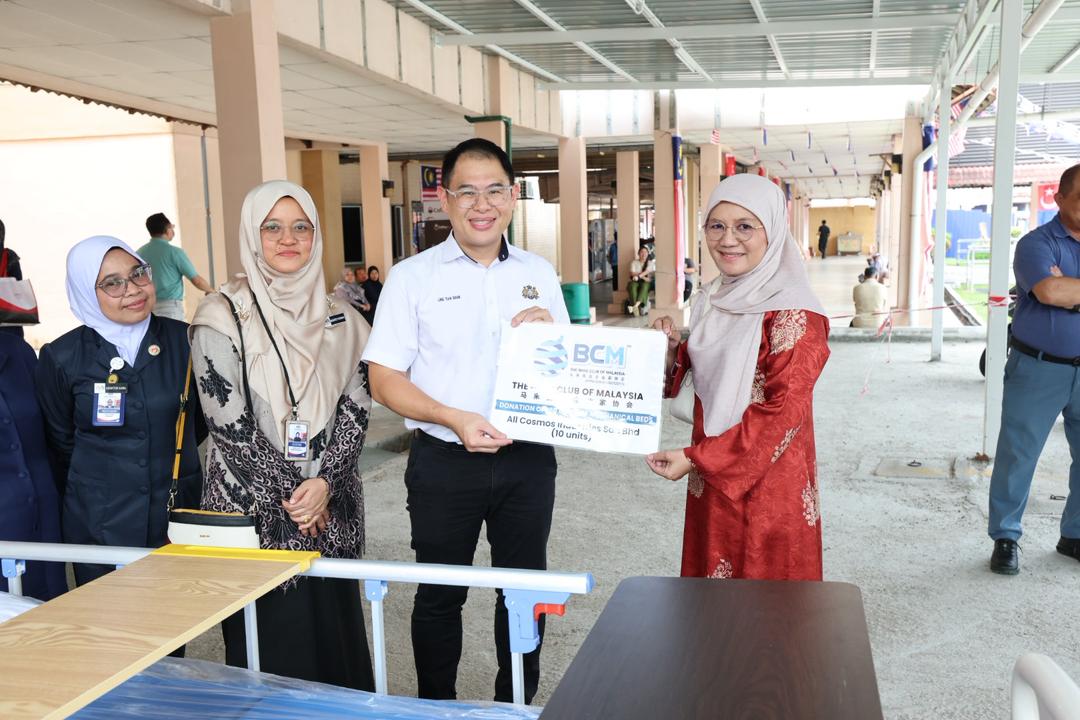
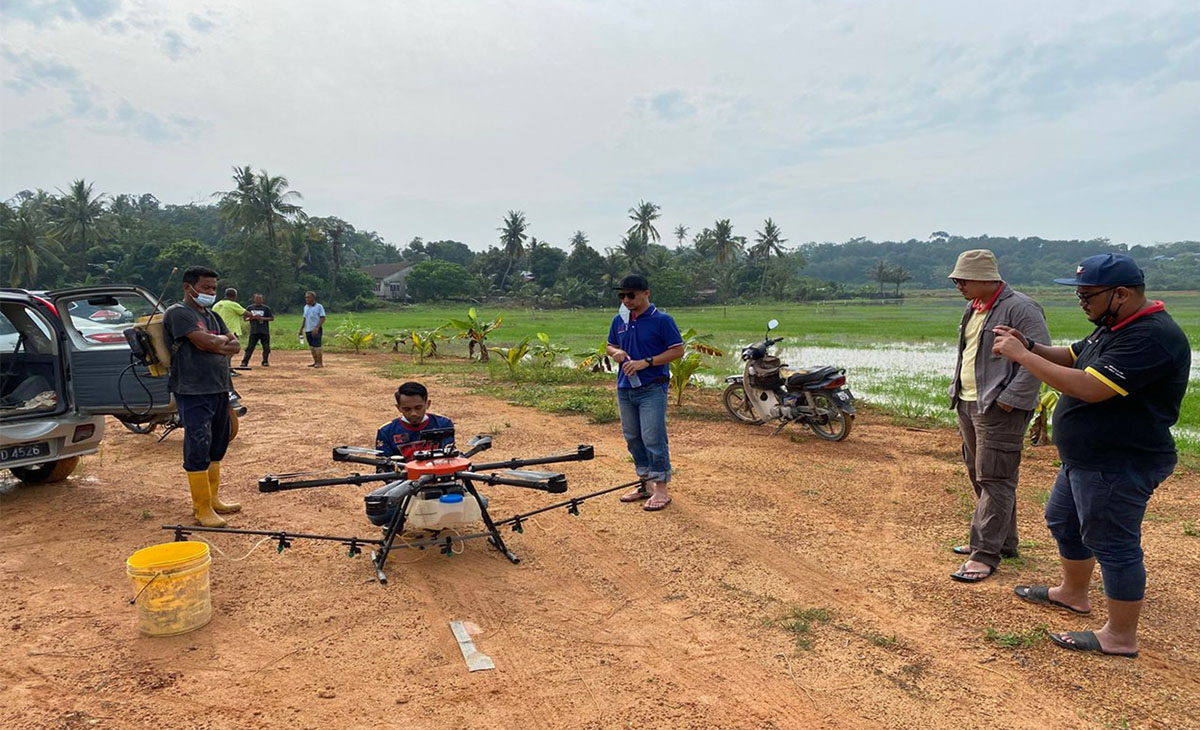
We uphold the philosophy of "shared prosperity between enterprises and society". We deeply understand that we not only have a responsibility for economic growth, but also to actively give back to the local community to promote community welfare and sustainable development. For many years, we have been working with local farmer organizations to promote agricultural education and environmental awareness, and are dedicated to building a warm, harmonious, and inclusive community. In terms of agricultural technology guidance, ACBT has always upheld a spirit of selfless dedication, with the hope of channeling the Company’s strength to drive local development.
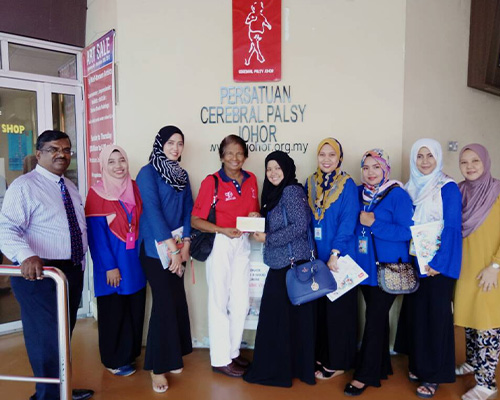
In terms of public welfare participation, ACBT has made donations to reliable foundations, focusing on improving children's education resources and environmental protection issues. In 2024, ACBT donated approximately NT$70 thousand. We believe that a company’s success should grow in step with societal progress, and therefore closely integrate social engagement with our corporate strategies, viewing it as an integral component of sustainable development.
Promotion of Sustainable Agriculture Education
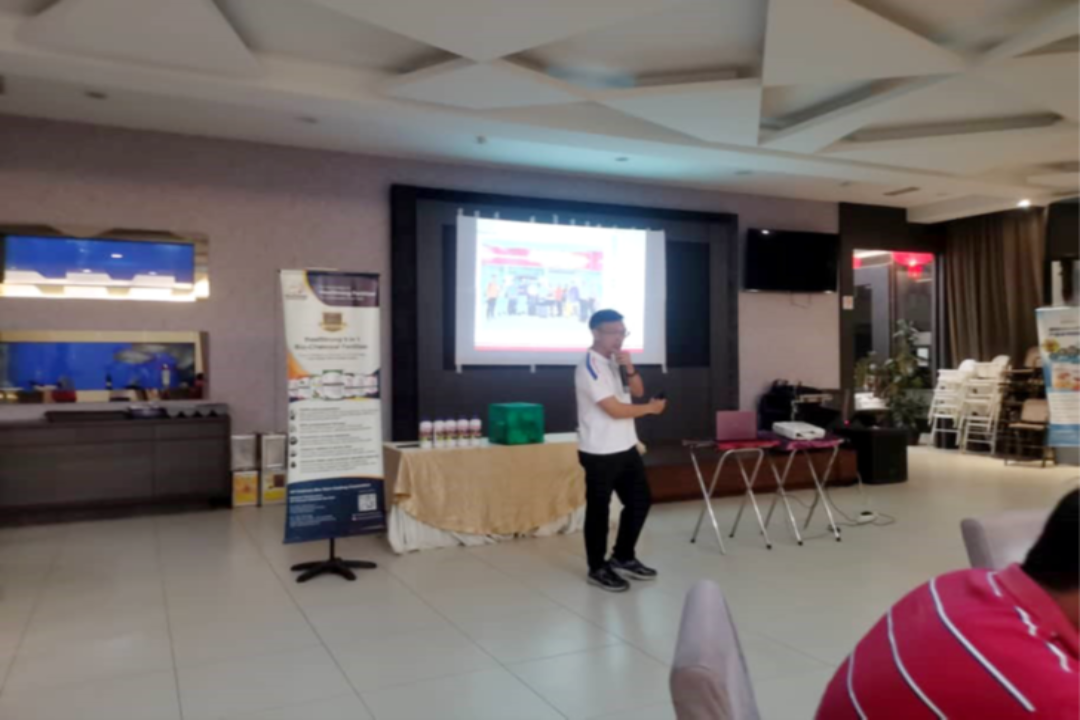
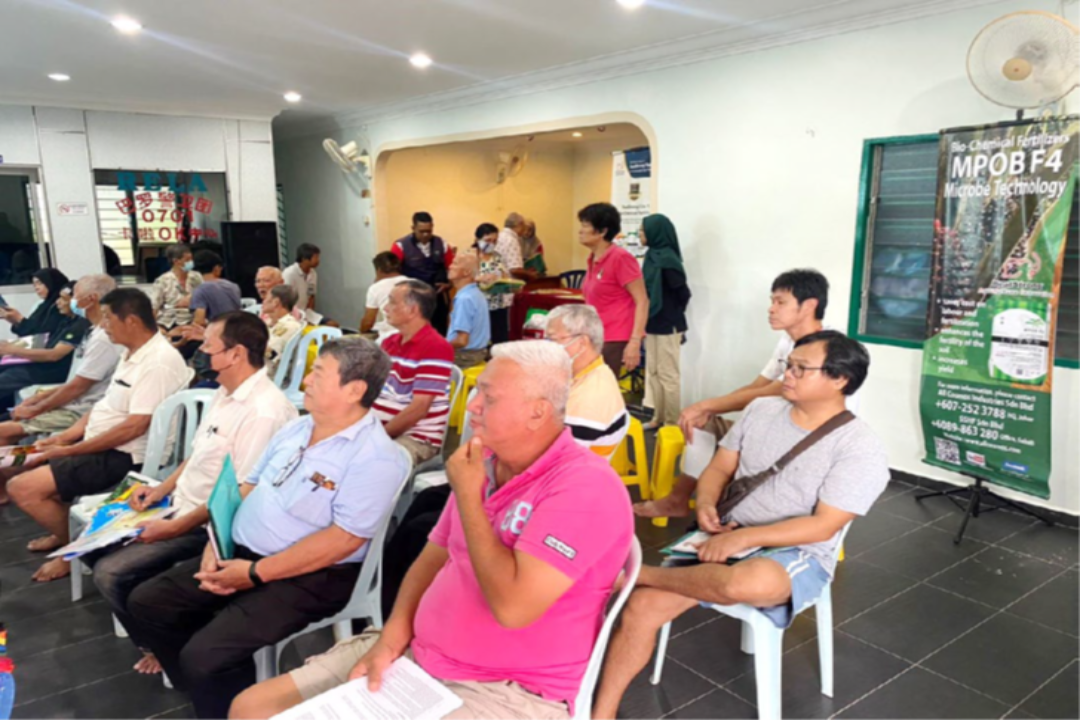
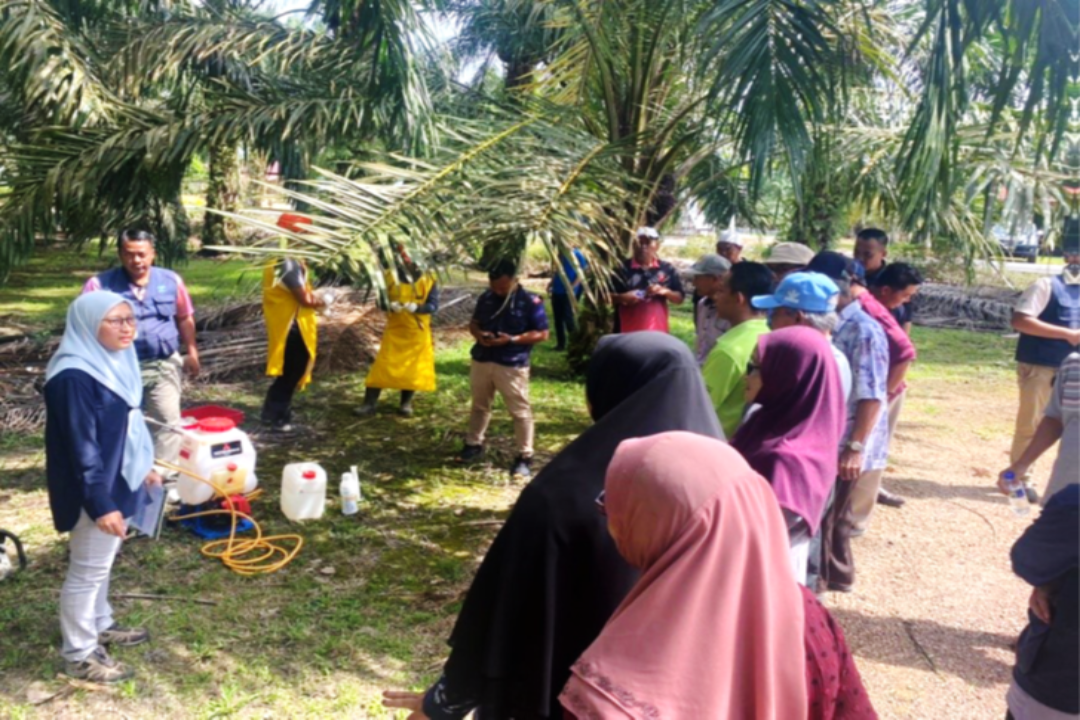
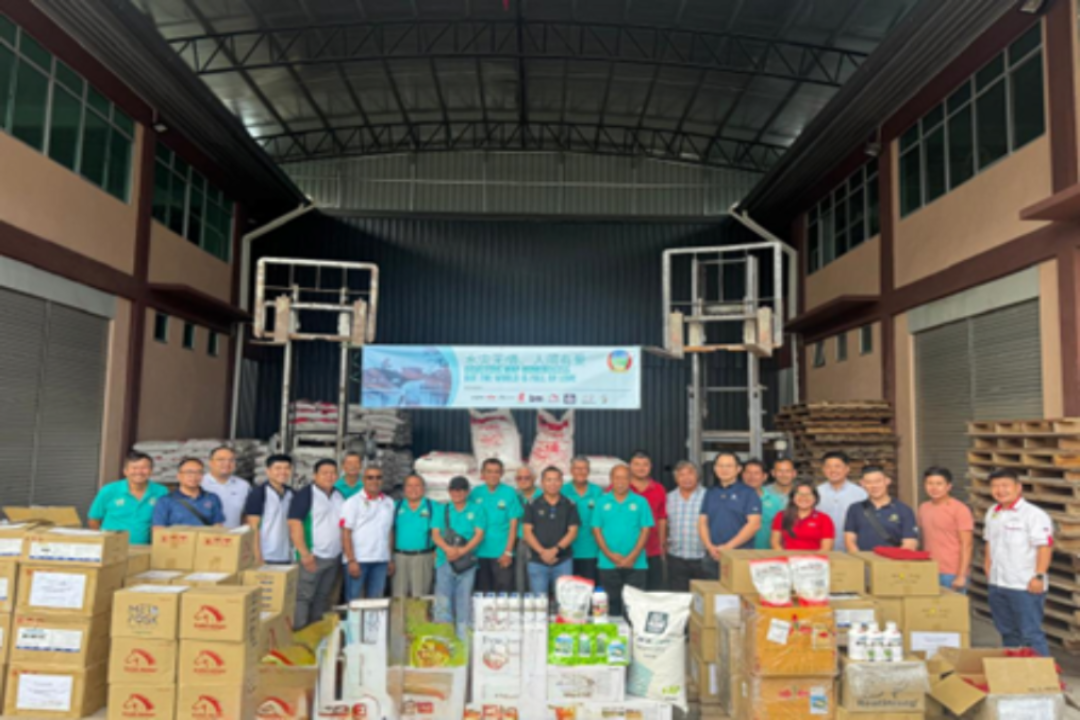
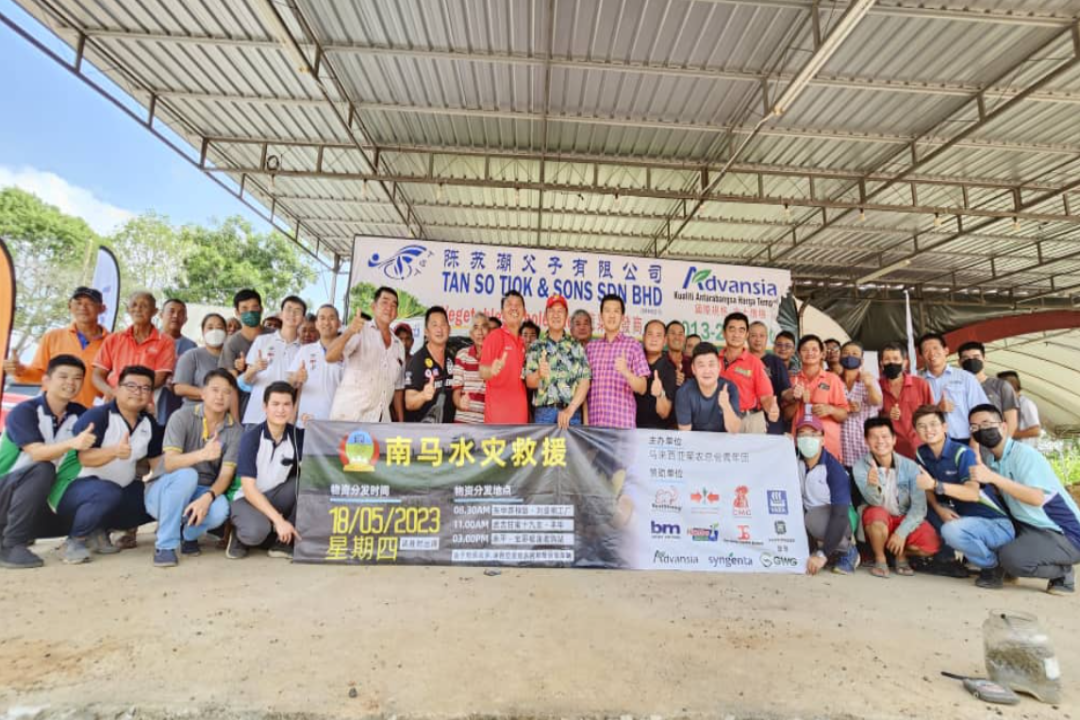
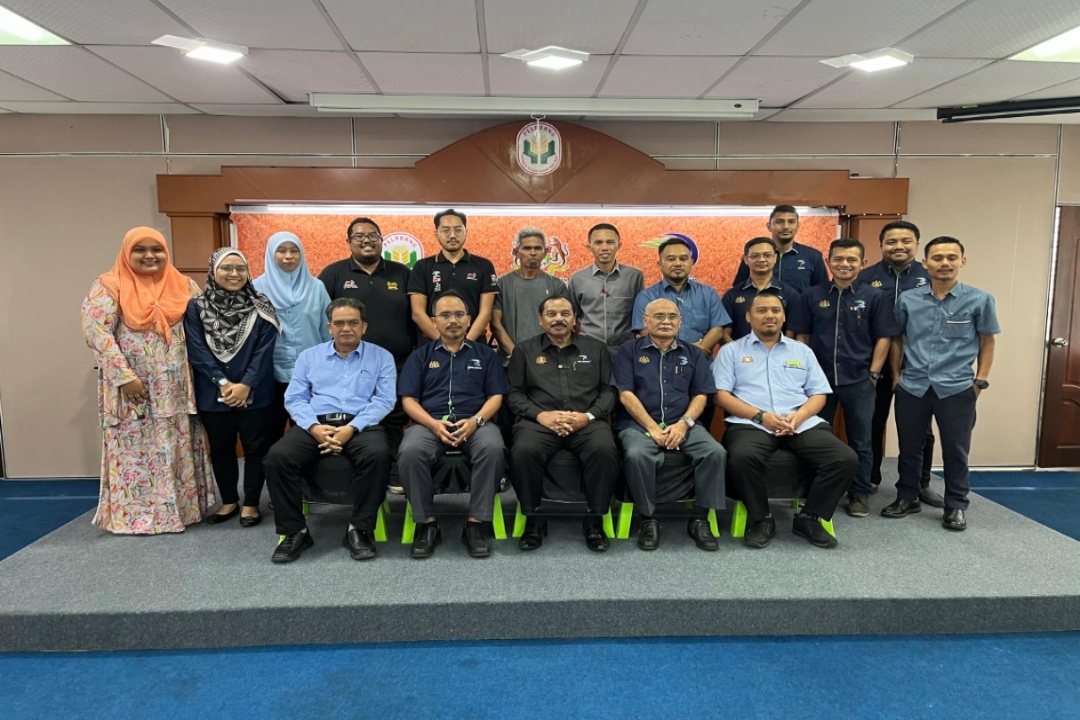
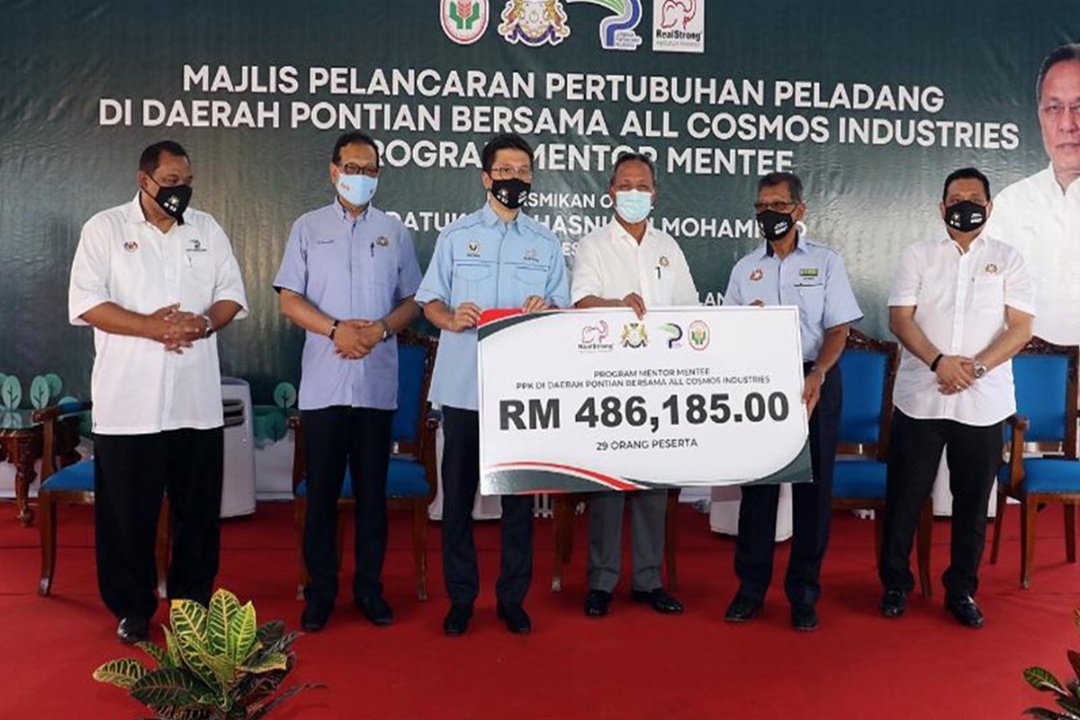
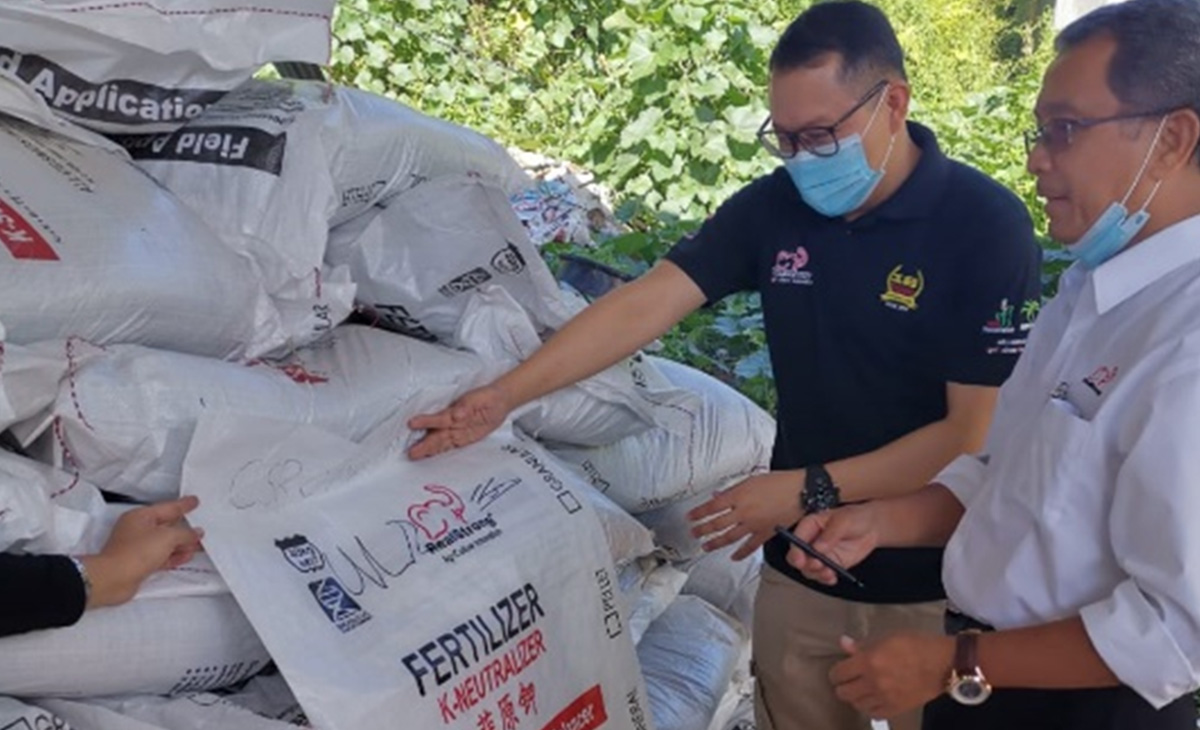
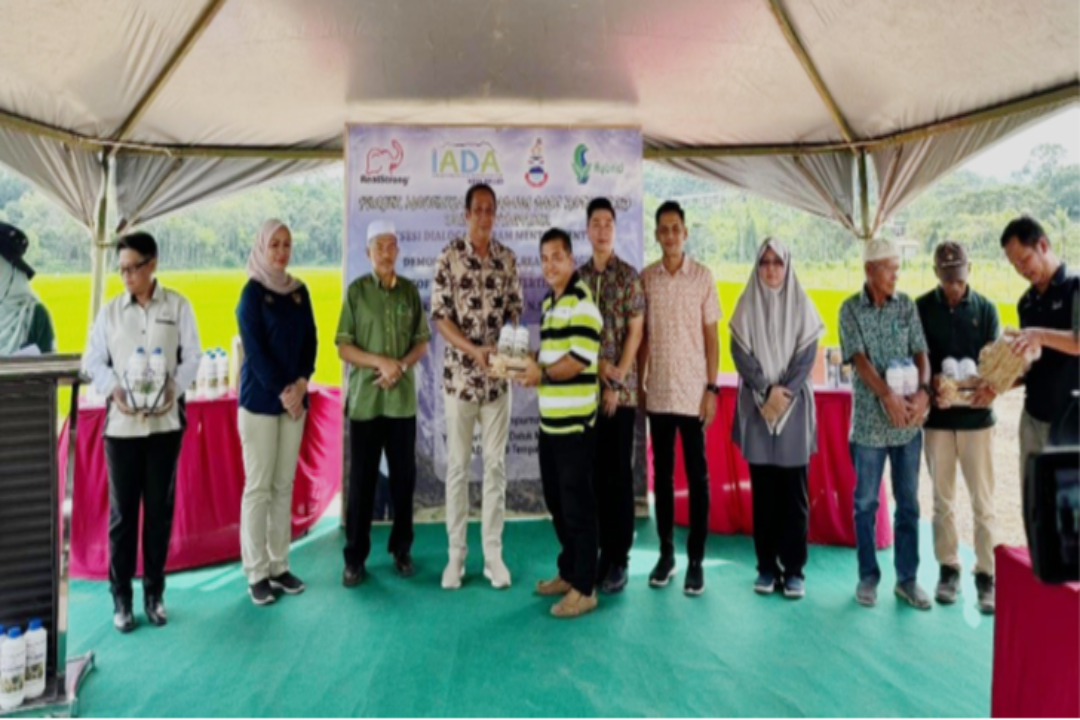
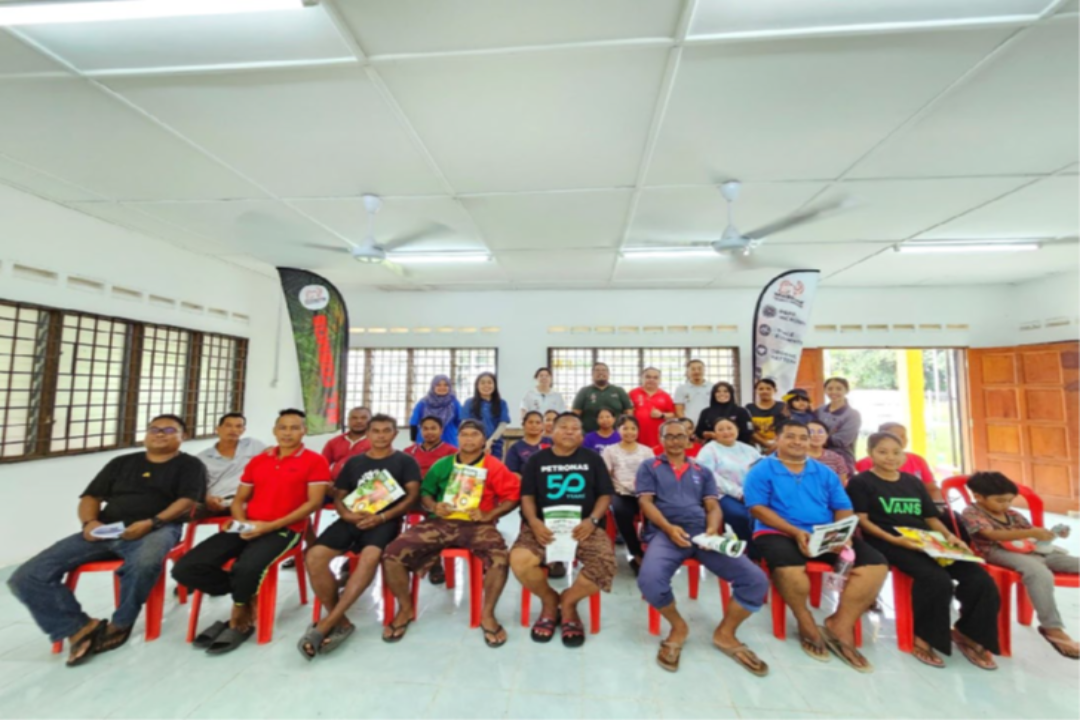
We understand that advancing sustainable agriculture requires building a foundation of knowledge and raising awareness among farmers. Therefore, we consistently invest in communities through practical action, actively organizing and participating in a variety of agricultural education initiatives to enhance local farmers’ understanding and implementation of sustainable agricultural practices. In 2024, All Cosmos Biotech not only organized its own agriculture-related activities but also collaborated closely with the Malaysian Palm Oil Board (MPOB) and various agricultural organizations to host a variety of exchanges and seminars covering fertilizer application, disease management, crop cultivation, and sustainable planting practices. These activities included industry visits, agricultural technology exchanges, workshops on crop disease prevention, briefings on sustainable planting, and charitable events with fruit farmers’ associations. A total of 40 agricultural seminars were held, with cumulative attendance exceeding 600 people. These activities not only enhance farmers’ understanding of environmental protection, resource recycling, and climate change adaptation, but also promote environmentally friendly and sustainable agricultural practices.